No products in the cart.
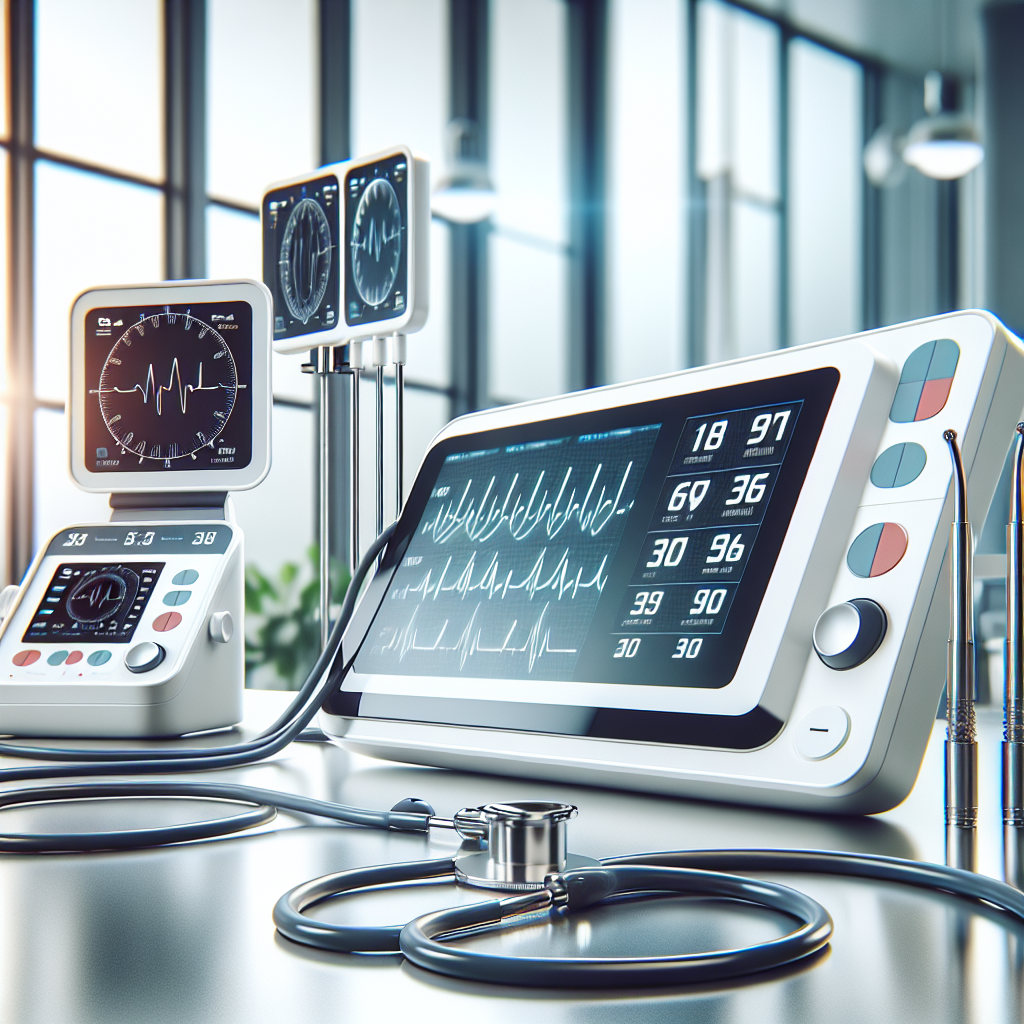

Monitoring blood pressure regularly is a cornerstone of cardiovascular health management. With an increasing number of options available in the market, choosing the right blood pressure monitor that combines accuracy, ease of use, and cost-effectiveness can be challenging. This article provides a comprehensive evaluation of top blood pressure monitors by examining their accuracy, affordability, and additional features that contribute to reliability.
Understanding these factors is critical for both home users and healthcare professionals aiming for precise and consistent readings. Besides accuracy, considerations such as device maintenance and user-friendly operation play significant roles in long-term effectiveness. This guide equips readers with strategic insights for informed purchasing decisions, ensuring optimal health outcomes through reliable blood pressure monitoring.
The accuracy of blood pressure monitors is commonly assessed through clinical validation protocols, like those from the Association for the Advancement of Medical Instrumentation (AAMI) and the European Society of Hypertension (ESH). Devices validated under these standards provide greater confidence in readings, essential for diagnosing and managing hypertension.
Digital monitors dominate home use due to their convenience, but aneroid sphygmomanometers, used by professionals, can offer high accuracy when calibrated properly. For consumer devices, models featuring advanced sensors and algorithms tend to reduce measurement errors caused by movement or irregular heartbeats.
For more in-depth comparisons on device types and their accuracy, refer to the analysis on Digital vs Aneroid Blood Pressure Monitors 2026.
Ease of use begins with cuff design and display readability. Adjustable cuffs that accommodate various arm sizes ensure accurate measurements, while clear LCD screens with backlighting improve accessibility. For professionals, durability and portability are also crucial considerations.
Devices with simple one-button operation and memory storage capabilities simplify routine monitoring. Bluetooth connectivity and smartphone app integration offer seamless data tracking for patients and clinicians, facilitating proactive health management.
Explore additional insights on user-friendly medical technology in the comprehensive review of Home Medical Monitors Accuracy and Value Compared.
Blood pressure monitors range significantly in price based on features such as multi-user profiles, irregular heartbeat detectors, and connectivity options. While budget models cover basic needs, investing in validated devices with advanced features pays dividends in measurement reliability and user engagement.
Devices requiring frequent battery replacements or calibration checks may incur higher ongoing costs. Selecting monitors with rechargeable batteries or long-lasting sensors can reduce maintenance expenses and provide better total cost of ownership over time.
Regular calibration ensures accurate readings, particularly for aneroid devices, while digital monitors generally maintain accuracy longer but can degrade with improper handling. Choosing models with warranties and durable materials supports long-term investment.
Proper cleaning of cuffs and units with manufacturer-recommended methods prevents contamination, especially in professional settings. Following care guidelines extends device lifespan and maintains accuracy.
Monitors equipped with algorithms to detect arrhythmias alert users to potential cardiac issues, adding a layer of clinical utility beyond standard measurements.
Storing multiple readings with timestamps aids in trend analysis, while connectivity to apps or cloud services facilitates remote monitoring by healthcare providers.
Selecting the best blood pressure monitor requires balancing accuracy, ease of use, cost, and maintenance factors tailored to the user’s needs. Validated devices with user-friendly designs and smart features provide reliable data critical for managing cardiovascular health. Understanding these elements supports informed decisions that contribute to better health outcomes and cost efficiency over time.
For further guidance on selecting complementary cardiovascular tools, consider reviewing the Top Blood Pressure Monitors: Traditional vs Innovative 2026 and Top 5 Stethoscopes for Cardiologists in 2026.
Clinically validated digital blood pressure monitors with appropriately sized cuffs tend to offer the best accuracy for home users, especially those that follow established standards and have advanced features for error reduction.
Calibration frequency depends on the device type. Aneroid monitors generally require calibration annually or when accuracy issues arise. Digital monitors typically need less frequent calibration but should be checked every two years or per manufacturer recommendations.
No. While irregular heartbeat detection in monitors helps identify potential arrhythmias, it is not a substitute for comprehensive evaluation by a healthcare professional.
Not necessarily. Higher cost often relates to additional features but does not guarantee superior accuracy. It’s crucial to consider clinical validation, user needs, and the value of features when assessing cost-effectiveness.
Take measurements at the same time daily, rest for 5 minutes before measuring, use the correct cuff size, and maintain proper posture. Consistency in procedure improves reliability of results.


Leave a comment