No products in the cart.
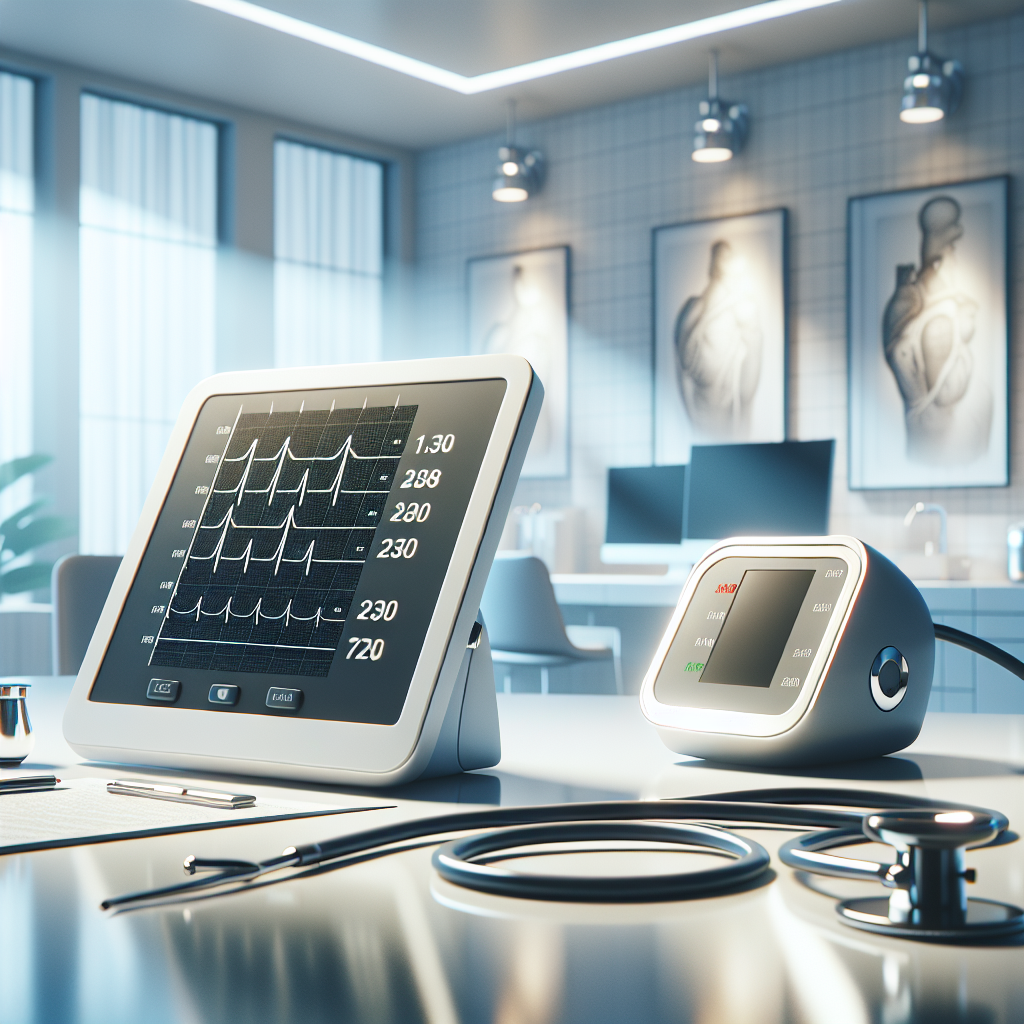

Accurate blood pressure measurement is critical for effective cardiovascular health management. In 2026, consumers and healthcare professionals continue to assess the best monitoring devices to suit varied environments and user needs. Digital and aneroid blood pressure monitors represent two dominant categories, each offering distinct advantages and challenges. Digital monitors have gained popularity for their automation and ease of use, especially in home settings, while aneroid devices retain a reputation for reliability when operated by trained hands.
This comprehensive comparison explores the latest developments, accuracy considerations, maintenance requirements, and practical applications of both digital and aneroid blood pressure monitors. We will also delve into strategic decision-making factors to help users, medical professionals, and caregivers select the most appropriate model for their context.
Digital monitors incorporate oscillometric technology and electronic sensors to automatically detect blood pressure values. These devices often feature LCD screens, memory storage for readings, and Bluetooth connectivity, facilitating integration with health apps. Their user-friendly interface enables patients to perform measurements independently, which can enhance routine monitoring compliance.
While digital monitors simplify operation, they require periodic calibration to maintain accuracy, a factor sometimes overlooked by users. Battery management also plays a critical role, as declining power can affect measurement reliability. Manufacturers typically recommend annual calibration by certified technicians.
Aneroid sphygmomanometers utilize mechanical components including a manual inflation bulb and a dial gauge. Their operation demands skill, training, and regular physical assessment to ensure precise readings. Because they do not rely on batteries, aneroid devices provide consistent function without power dependence, which is valuable in clinical environments or areas with limited electricity.
When maintained properly, aneroid monitors offer high accuracy. However, they require frequent inspections for wear and tear or calibration drift. Medical professionals often prefer them due to their tactile feedback and proven track record. Detailed guidance on regular maintenance schedules is critical to avoiding measurement errors.
In home care settings, digital monitors tend to improve patient compliance thanks to their ease of use and automated functions. In contrast, clinical environments may favor aneroid monitors for their precision and lower dependency on electronics. User dexterity, technological comfort, and access to professional support influence the optimal choice.
Digital devices require vigilant battery replacement and electronic calibration, which may incur ongoing costs. Aneroid monitors, while more durable without electronic components, demand routine mechanical checks by healthcare professionals. These factors should be weighed by institutions and individual users to optimize investment and reliability.
Advances in digital monitor technology continue to enhance accuracy, connectivity, and usability. Integration with telemedicine platforms and artificial intelligence-driven health analytics is growing, positioning digital monitors at the forefront of home monitoring innovation. Meanwhile, aneroid models remain indispensable in many healthcare settings, supported by their established accuracy and mechanical simplicity.
For those interested in a broader view of medical device options, our detailed home medical devices comparison: thermometers vs oximeters offers valuable insights. Additionally, exploring our top blood pressure monitors 2026: accuracy & features article can further aid in selecting the best blood pressure monitor tailored to your needs.
Choosing between digital and aneroid blood pressure monitors in 2026 involves balancing accuracy, usability, maintenance, and context of use. Digital monitors provide convenience and enhanced home patient compliance, but regular calibration and battery upkeep are essential. Aneroid monitors deliver dependable precision for trained users and clinical settings but require mechanical expertise for operation and maintenance.
Ultimately, informed decision-making depends on evaluating user capabilities, environment, and priorities. Both device types remain valuable tools in managing cardiovascular health when selected and maintained appropriately.
Aneroid monitors, when properly maintained and used by trained professionals, generally provide highly reliable accuracy. Digital monitors offer competitive accuracy but require regular calibration to maintain precision.
Yes, digital monitors have automated features and clear displays that simplify the process for patients, enhancing adherence to routine blood pressure tracking at home.
Manufacturers typically recommend calibrating digital monitors at least once every 12 months to ensure consistent accuracy.
Aneroid sphygmomanometers require specific skills and training to obtain accurate measurements; untrained users may struggle to use them effectively.
Regular mechanical inspections and calibration by healthcare professionals are necessary to maintain the device’s accuracy and longevity.


Leave a comment