No products in the cart.
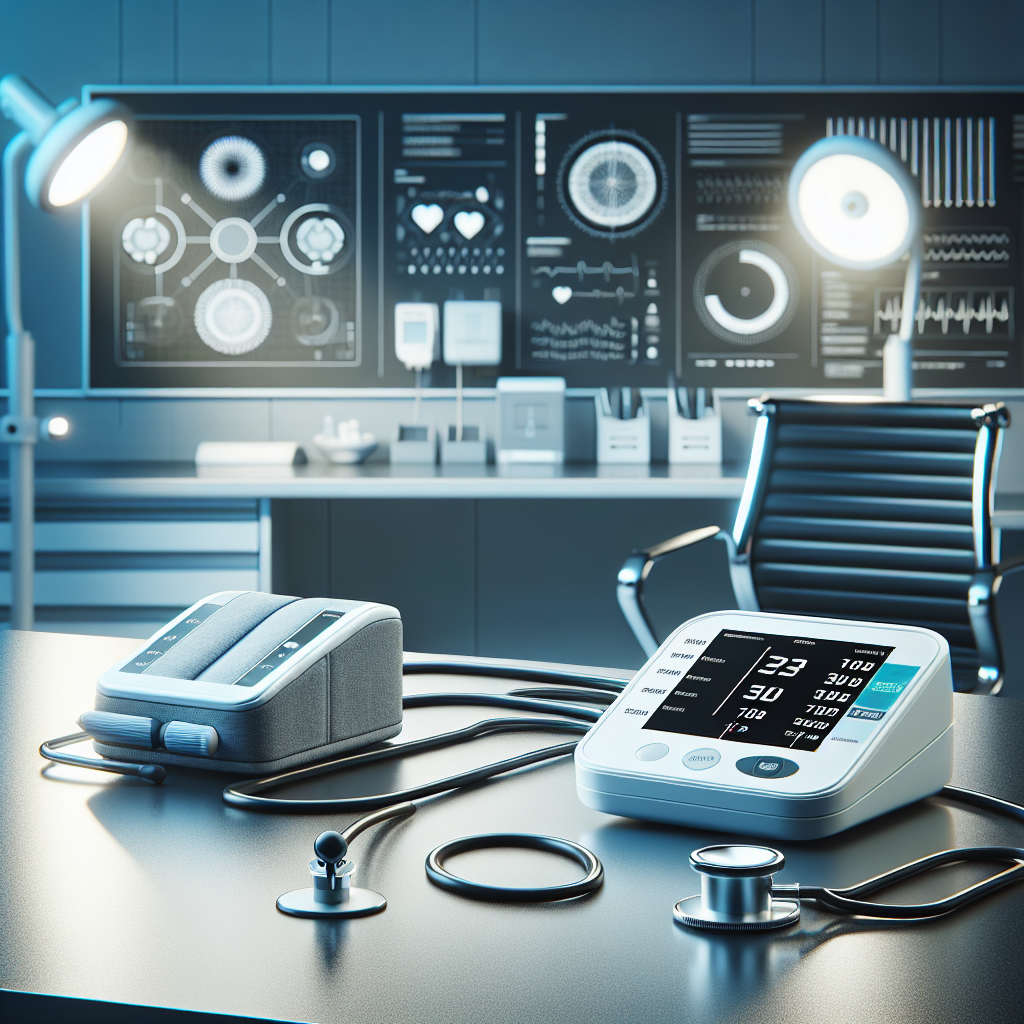

Blood pressure monitoring is a crucial aspect of managing cardiovascular health, and the evolution of monitoring devices reflects the growing demand for accuracy, convenience, and connectivity. Traditional blood pressure monitors, such as aneroid models, have long served both clinical and home use with dependable results. However, innovative digital and wearable monitors are redefining how patients and healthcare professionals track blood pressure in 2026. This article explores the key differences between traditional and innovative monitors, evaluating their accuracy, features, cost, and suitability for various users. By understanding these distinctions, consumers and professionals can make informed decisions to optimize blood pressure management and improve health outcomes.
Traditional monitors include manual aneroid and mercury sphygmomanometers widely used in clinical settings. These devices rely on a stethoscope and a cuff, demanding trained users for precise measurement. Despite their accuracy when calibrated properly, factors like observer error and the need for regular maintenance impact reliability.
While trusted for decades, traditional models often lack ease of use for non-professionals and do not offer connectivity or automatic record keeping. In home settings, users frequently encounter challenges with cuff positioning, hearing Korotkoff sounds, and reading manual gauges, which can reduce accuracy and compliance.
Modern blood pressure monitors have embraced digital technology, integrating oscillometric sensors, Bluetooth connectivity, and mobile app support. Many devices now incorporate smart algorithms to enhance measurement accuracy and filter out noise. Additionally, wearable monitors provide continuous tracking, delivering valuable data trends over time.
Despite concerns about digital devices, validated models have demonstrated accuracy comparable to traditional monitors, especially those recommended in recent reviews such as Home Medical Monitors Accuracy and Value Compared. Advanced features like multiple reading averages improve reliability, making these devices suitable for home and clinical use.
While some innovative monitors carry a higher upfront cost, their ease of use, automated data logging, and remote monitoring capabilities can reduce healthcare visits and encourage consistent monitoring. For patients, user-friendly interfaces and reminder features increase compliance. The cost-benefit balance is extensively analyzed in the Top Blood Pressure Monitors: Accuracy and Cost Comparison 2026 guide.
Healthcare providers prioritize accuracy, durability, and integration with health records. Devices equipped with validated protocols, rapid measurement cycles, and data export options streamline clinical workflows. In 2026, the trend includes monitors compatible with telemedicine platforms to support remote patient management.
Several monitors stand out for professional use, offering enhanced precision and connectivity. Detailed comparisons can be found in the Top Blood Pressure Monitors 2026: Accuracy & Features Guide, which evaluates features suited to the demanding requirements of healthcare environments.
Innovative monitors often include Bluetooth or Wi-Fi connectivity, allowing seamless data transfer to smartphones or electronic health record systems. This facilitates trend analysis and remote monitoring by clinicians, improving patient oversight.
Ergonomic cuff designs, clear displays, and voice-guided instructions enhance usability, particularly for elderly or visually impaired patients. These features contribute to better adherence and more accurate readings.
The landscape of blood pressure monitoring is evolving with significant advancements in technology, offering users greater accuracy, convenience, and insights. While traditional monitors remain a reliable choice, innovative devices provide compelling advantages through connectivity, smart features, and enhanced patient compliance. Home users and healthcare professionals alike must weigh factors such as accuracy, cost, and ease of use to select the most appropriate monitor. Staying informed of the latest developments, including those outlined in specialized comparisons, ensures optimal blood pressure management and improved health outcomes in 2026 and beyond.
Validated innovative monitors have accuracy comparable to traditional models. Features like averaging multiple readings and digital noise filtering enhance reliability.
Wearables use sensors to track blood pressure continuously or at intervals, providing trend data without needing a traditional cuff, offering convenience especially for ambulatory monitoring.
Yes, periodic calibration against a standard reference helps maintain accuracy. Some digital devices include self-calibration or alerts for maintenance.
User-friendly interfaces, automated data logging, reminder notifications, and connectivity with healthcare providers enhance adherence to monitoring schedules.
Models that offer validated accuracy, rapid measurements, and compatibility with health record systems are recommended. Refer to updated professional device guides for specific recommendations.


Leave a comment