No products in the cart.
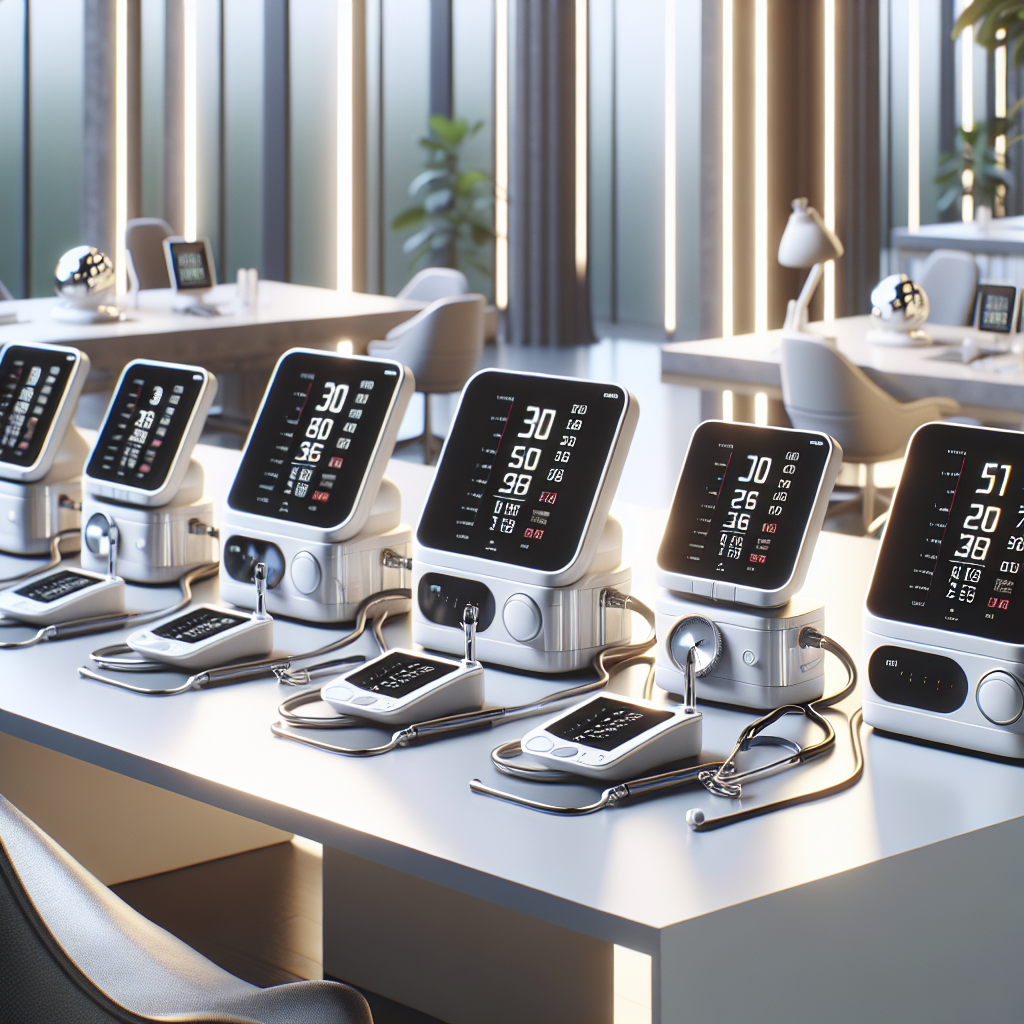

Blood pressure monitoring is a vital component of cardiovascular health management. As technology evolves, choosing the right blood pressure monitor for regular use becomes increasingly complex. The 2026 guide to the best blood pressure monitors compares key models and provides insights into their features, accuracy, and practical application for both home users and healthcare professionals. This article aims to help you navigate the options by emphasizing the differences between manual and digital devices, the importance of cuff sizing, and key functionalities such as memory capability and connectivity. Additionally, it explores how to balance cost with quality to ensure you invest in a reliable medical product that meets your individual needs. Incorporating expert recommendations and practical advice from related resources like how to choose the right blood pressure monitor and the top 2026 blood pressure monitors features & comparisons guide, this article is designed for those seeking professional-grade guidance.
Digital monitors are widely preferred for their ease of use and automatic inflation capabilities. They provide digital readouts that are often easier to interpret and can include additional features like irregular heartbeat detection. Manual monitors, such as aneroid sphygmomanometers, require professional skill to use correctly but offer a high level of precision when operated by trained individuals. For home use, digital devices are generally recommended, while manual monitors remain standard in clinical settings.
Digital monitors provide convenience and are suitable for daily self-monitoring without medical training. Manual monitors offer durability and can be more accurate when calibrated and used properly but may be less user-friendly for non-professionals. Referencing the OTC vs Prescription Blood Pressure Monitors: What You Need to Know article provides further clarity on when to choose over-the-counter models versus clinically prescribed devices.
Incorrect cuff size is a common cause of inaccurate readings. Cuffs that are too small can cause falsely elevated results, while overly large cuffs may underestimate blood pressure. Measuring arm circumference accurately before purchase ensures the correct cuff size. Many monitors now offer adjustable cuffs or provide multiple sizes in the package.
Standard cuffs, large cuffs, and pediatric options cater to different user groups. The material should allow comfortable wear without excessive pressure or slippage. Some advanced monitors feature wireless or cuffless technologies, but their accuracy is still under evaluation.
Monitors that store multiple readings simplify trend tracking and enable sharing data with healthcare providers. Some units allow storage for several users and display average readings over time, crucial for managing hypertension.
Bluetooth-enabled devices can sync with smartphone apps, providing more detailed analytics and facilitating remote monitoring. Connectivity also encourages adherence by integrating reminders and alerts.
Blood pressure monitors vary from budget-friendly basic models to premium devices with advanced features. While lower-cost options may suit casual users, investing in clinically validated and FDA-approved products ensures reliability. Reputable brands often provide better customer support and longer warranties.
Regular maintenance, including battery replacement and calibration checks, prolongs device accuracy. Some monitors require professional recalibration periodically. Users should follow manufacturer guidelines meticulously to preserve performance.
Choosing the best blood pressure monitor in 2026 involves understanding the differences between device types, ensuring proper cuff fit, and assessing features that align with your health management needs. By factoring in accuracy, usability, and cost-effectiveness, users can make informed decisions that promote consistent monitoring and better cardiovascular health outcomes. For further guidance on blood pressure monitoring technology and comprehensive comparisons, explore the Best Blood Pressure Monitors 2026: Top Accurate & User-Friendly Picks and reviews of Top Blood Pressure Monitors 2026: Accuracy & Cost Guide to stay updated on the latest advancements.
Digital monitors offer ease of use with automatic inflation and digital readings, making them ideal for home use without medical training, whereas manual monitors require professional skill but offer precision.
Calibration frequency depends on manufacturer recommendations, but typically every 1–2 years or if the device gives inconsistent readings to ensure continued accuracy.
Yes, inappropriate cuff size can significantly alter readings; using the correct cuff based on arm circumference is essential for accurate measurement.
Bluetooth connectivity adds value by enabling data tracking, trend analysis, and easy sharing with healthcare providers, which can improve hypertension management for many users.
Over-the-counter monitors are suitable for most home users, but some medical conditions may require prescribed devices for enhanced accuracy or specific features as outlined in OTC vs Prescription Blood Pressure Monitors: What You Need to Know.


Leave a comment