No products in the cart.
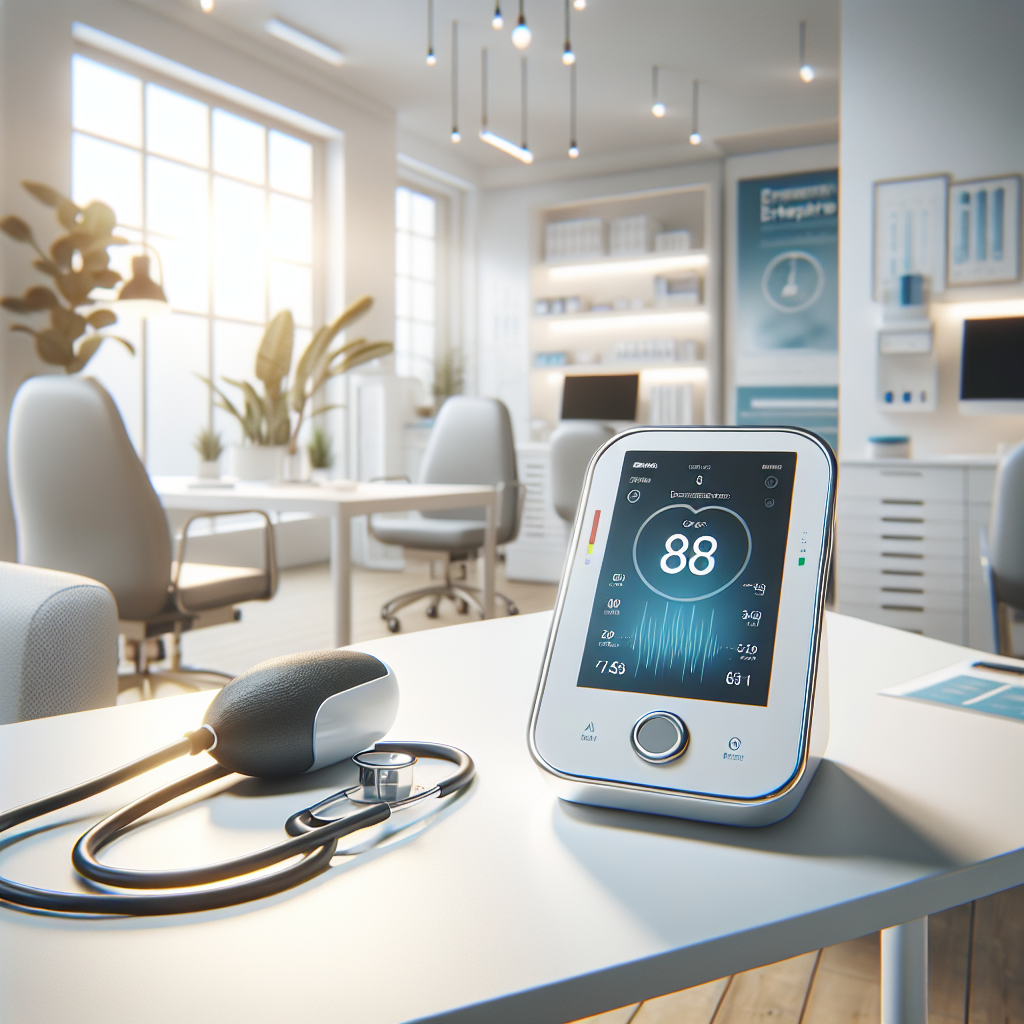

Blood pressure monitoring at home has become an essential part of managing health, especially for individuals with hypertension or other cardiovascular concerns. When choosing a blood pressure monitor, consumers are often faced with two main options: over-the-counter (OTC) models and prescription devices. Both come with unique advantages and drawbacks, impacting accuracy, cost, usability, and long-term benefits. This article explores the critical differences between OTC and prescription blood pressure monitors to help you make an informed decision that aligns with your specific health requirements. We will also highlight important considerations such as the accuracy of readings, usability for at-home monitoring, and financial implications. Additionally, insights are provided on how to assess which type of device may best support your ongoing health and wellness goals.
Prescription blood pressure monitors typically undergo rigorous testing and validation to meet strict clinical standards. They are often calibrated for professional use or for patients with critical hypertension needs, ensuring the highest level of accuracy. These devices tend to incorporate advanced sensors and algorithms designed to minimize error, providing reliable data for healthcare providers to make precise treatment decisions.
OTC monitors, while widely accessible, can present variability in accuracy due to differences in build quality and testing standards. Many OTC devices are designed for general consumer use and may not have the same stringent validation as prescription models. Nonetheless, reputable OTC monitors with certification from recognized medical authorities still offer acceptable accuracy for routine home monitoring. Assessing product reviews and specifications is essential to selecting a trustworthy OTC monitor.
Prescription devices generally have a higher upfront cost due to enhanced features, superior technology, and clinical-grade accuracy. However, for those requiring regular and precise blood pressure monitoring, this expense is often justified by the durability and reliability they provide. Long-term costs may also be mitigated as these devices tend to last longer with proper maintenance.
OTC monitors are more budget-friendly and easier to acquire without a physician’s prescription. This makes them a practical option for individuals monitoring blood pressure on a casual or preventive basis. The abundance of options allows consumers to select devices within their price range, though it’s important to weigh cost against quality to avoid inaccurate measurements that could impact health decisions.
OTC monitors are typically designed with user-friendliness in mind, featuring simple interfaces, one-button operation, and digital displays. These elements cater to individuals who may not have technical expertise and seek convenient solutions for regular monitoring. Many OTC models also include wireless connectivity, allowing seamless data sharing through smartphone apps.
While prescription blood pressure monitors can be more complex, they often offer additional features such as arrhythmia detection, enhanced memory storage, and integration with clinical health records. These specialized capabilities are valuable for patients managing chronic conditions under medical supervision, although they may require a learning curve when first used.
Investing in a prescription blood pressure monitor can provide peace of mind through reliable readings that support accurate diagnosis and treatment adjustments. Their durability in professional settings also translates well for home use, reducing the frequency of replacements. Prescription devices tend to have better warranties and support services, which contribute to sustained, effective blood pressure management over time.
Choosing between an OTC and a prescription blood pressure monitor ultimately depends on your health status and monitoring requirements. Individuals with mild or no hypertension may find OTC monitors adequate for routine checks, enhanced by the convenience and affordability factors. Conversely, patients with complex or severe cardiovascular conditions should consider prescription devices for their trusted accuracy and advanced features.
To make a more informed choice, reviewing dedicated resources such as How to Choose the Right Blood Pressure Monitor provides valuable buying guidance tailored to different needs. Additionally, exploring comprehensive product evaluations like the Top 2026 Blood Pressure Monitors: Features & Comparisons can help identify the best models within both OTC and prescription categories.
Both OTC and prescription blood pressure monitors serve important roles in health management. Prescription devices prioritize clinical accuracy and long-term durability, ideal for chronic condition monitoring. OTC monitors offer affordability and ease of use, making them suitable for everyday wellness tracking. Understanding the distinctions in accuracy, cost, and usability empowers consumers to select the monitor best aligned with their individual health profile and monitoring intentions. With the right choice, home blood pressure monitoring becomes a reliable tool in maintaining cardiovascular health.
Generally, yes. Prescription monitors are designed to meet stricter clinical standards and provide more precise readings, which is critical for patients with high blood pressure or other heart conditions.
Many high-quality OTC monitors can provide reasonably accurate readings for routine monitoring, especially if they are validated by medical authorities and used correctly.
No, OTC blood pressure monitors are widely available without a prescription. However, certain prescription models require a doctor’s recommendation due to their specialized functions.
Calibration frequency depends on the device type and manufacturer guidelines, but it is typically recommended every 1–2 years to ensure continued accuracy.
Consider accuracy, ease of use, cuff size, memory storage, data connectivity, and whether the monitor is validated by relevant health organizations.


Leave a comment