No products in the cart.
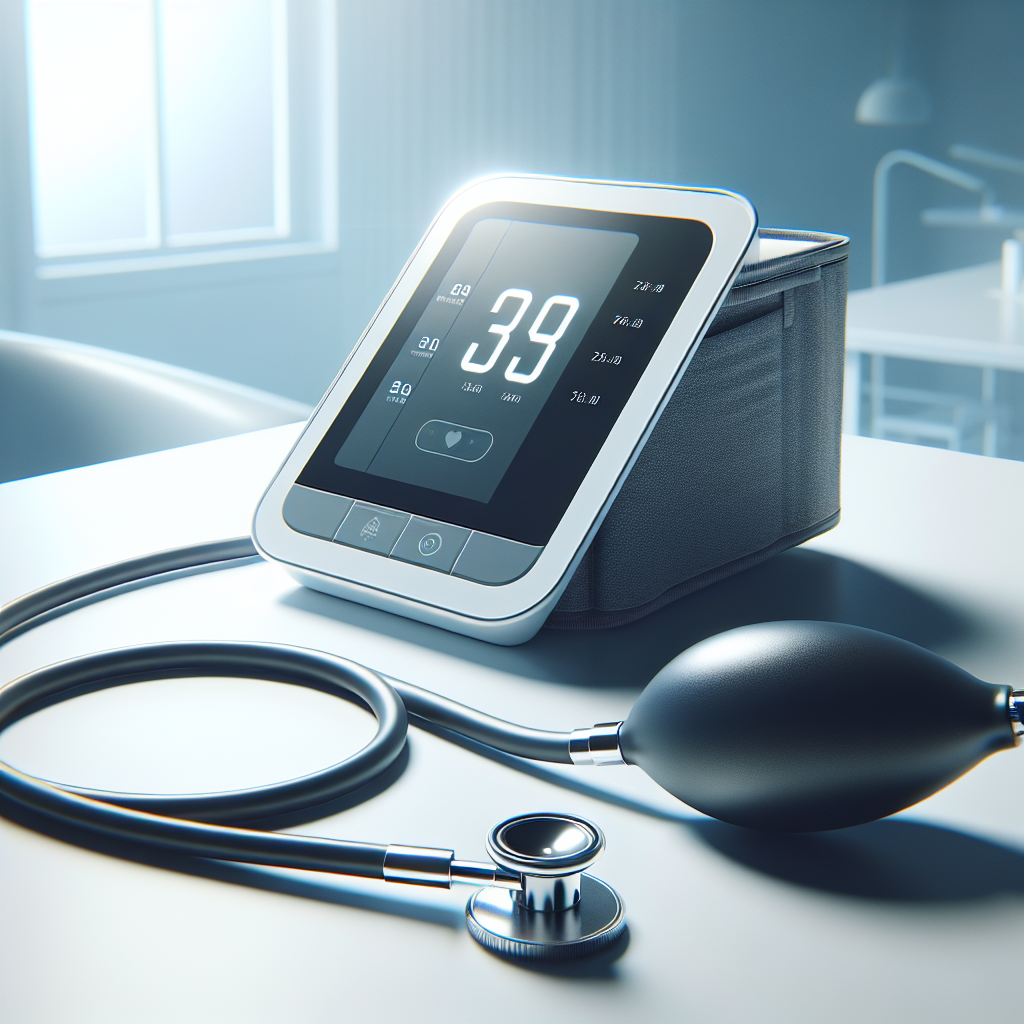

Blood pressure monitoring remains a cornerstone in managing cardiovascular health. As technology evolves, 2026 brings an array of advanced blood pressure monitors that combine accuracy with cost-effectiveness and enhanced usability. With hypertension rates rising globally, reliable home monitoring devices have gained paramount importance, assisting patients and healthcare providers alike. This comprehensive guide evaluates the latest models, focusing on precision, affordability, and intelligent design features that elevate user experience.
Understanding the critical parameters for selecting a home blood pressure monitor can empower individuals in their health management journey. Our discussion integrates strategic insights into the latest improvements in sensor technology, validation methods, and convenient functionalities while directing readers on how to optimize their choices. Furthermore, we emphasize the significance of quality in medical devices, echoing the insights covered in Why Quality Medical Supplies Matter in Healthcare and strategies from How to Choose the Right Blood Pressure Monitor to guide informed decisions.
Accuracy in blood pressure readings is crucial, directly impacting diagnosis and treatment. In 2026, monitors deploy refined oscillometric sensors and enhanced algorithms to minimize errors caused by user movement or improper cuff placement. Some models incorporate multi-layered sensors to detect arterial pulses with heightened sensitivity, producing consistent results comparable to clinical-grade devices.
The most reliable blood pressure monitors adhere to protocols established by bodies such as the FDA and the European Society of Hypertension. Devices with independent clinical validation reports provide an extra layer of confidence, ensuring compliance with stringent accuracy benchmarks. Consumers should prioritize monitors with transparent certification details, often found in product documentation or official websites.
While premium monitors boast extensive features, affordable models have narrowed the performance gap considerably. In 2026, many budget-friendly devices maintain reliable accuracy and offer essential capabilities suitable for daily use. This affordability democratizes access, particularly for users monitoring chronic conditions regularly at home.
Indicators such as cuff fit range, memory capacity, data syncing options, and battery life significantly affect value for money. Monitors that integrate Bluetooth connectivity to mobile apps enable seamless tracking and trend analysis, enhancing the monitor’s utility without dramatically increasing cost. Exploring reviews of cost-effective blood pressure monitors can illuminate models that optimize these features for the price.
User-friendly interfaces, including large digital displays and intuitive menus, cater to diverse populations, especially seniors. Voice prompts and multi-user settings facilitate effortless operation, reducing user errors that may compromise reading accuracy. Monitors often incorporate irregular heartbeat detection, alerting users to potential arrhythmias, which enriches health insights.
Integration with smartphones and cloud services allows for comprehensive health tracking over time. Mobile apps synchronized with the device can generate reports for medical consultations and monitor medication effectiveness. This interoperability exemplifies modern diagnostic tools’ innovation, highlighted in The Importance of Medical Diagnostic Tools in Everyday Healthcare.
In 2026, selecting a blood pressure monitor entails assessing accuracy, feature set, and price alongside individual requirements. Users must weigh factors such as portability, cuff size, and battery type against their lifestyle and medical needs. Reliable customer support and warranty provisions also enhance purchase value.
Leading manufacturers now focus on blending clinical-grade precision with user-centric designs. While we refrain from endorsing specific models, exploring comparative reviews and expert guides can assist in identifying the ideal device. Additionally, stock availability and reputable vendors contribute to a favorable buying experience.
Advancements in blood pressure monitoring in 2026 make accurate, easy-to-use, and affordable devices widely accessible for home use. Prioritizing validated accuracy and meaningful features enables better health management and preventative care. Informed selection supported by understanding technology and cost implications ensures users maximize the benefits of their blood pressure monitors. Exploring resources about Essential Medical Supplies Every Home Should Have can further enhance health preparedness and self-monitoring effectiveness.
Most home monitors require calibration every 1–2 years to maintain accuracy. Check the manufacturer’s instructions and consider professional calibration services if readings seem inconsistent.
Arm monitors generally provide more consistent readings due to standard cuff placement. Wrist monitors can be accurate if used correctly but are more sensitive to positioning and user technique.
Many modern monitors include irregular heartbeat detection features that alert users to potential arrhythmias, though they are not substitutes for full cardiac diagnostics.
Choosing the proper cuff size is vital. Measure your upper arm circumference and select a cuff size that fits within the device’s specified range to ensure accurate readings.
Most digital monitors use standard batteries, but several models now include rechargeable options for convenience and sustainability.


Leave a comment