No products in the cart.
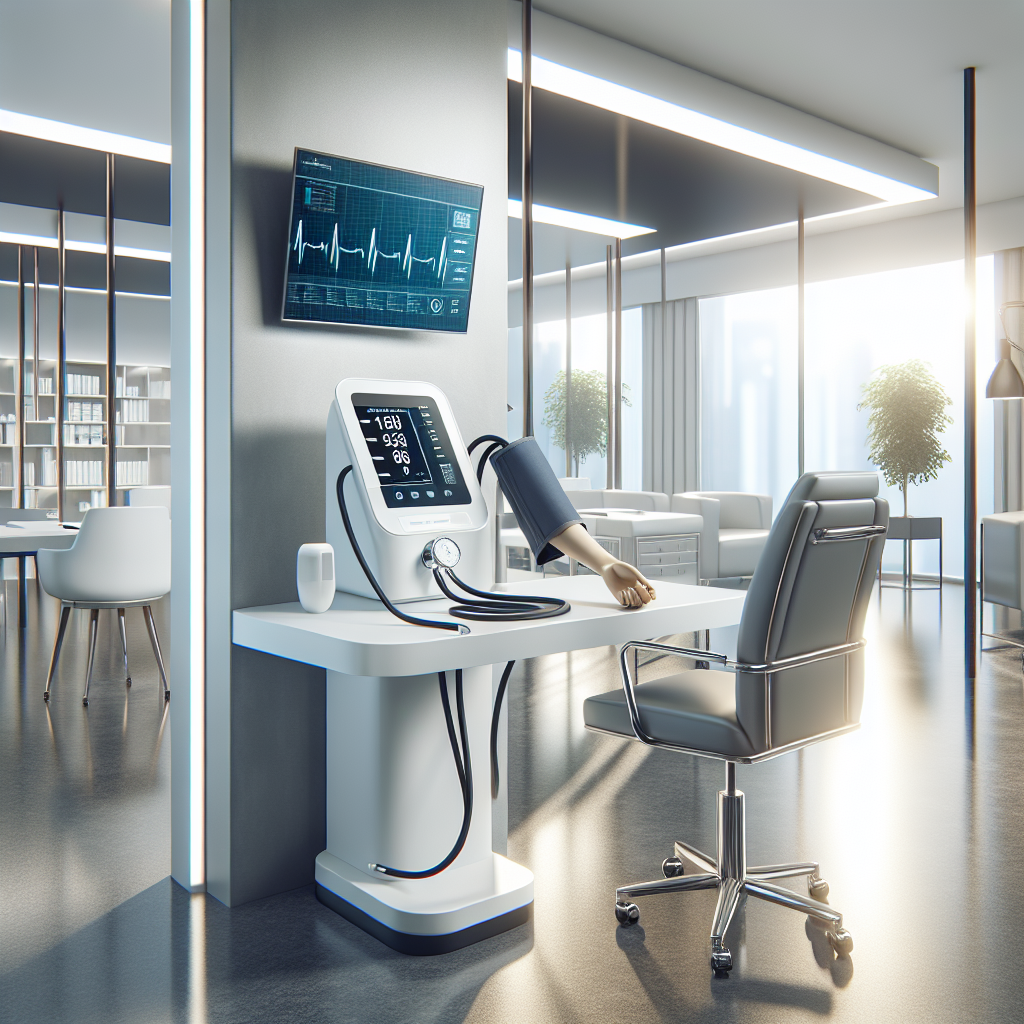

Accurate blood pressure monitoring is foundational in managing cardiovascular health, and 2026 brings innovative advancements that refine precision and convenience. With an expanding array of devices targeting both medical professionals and home users, understanding which monitors offer the best combination of accuracy and value is critical. This comprehensive analysis delves into the latest technological features enhancing measurement reliability, evaluates usability from diverse user perspectives, and dissects cost factors to guide optimal purchase decisions. Additionally, the importance of routine calibration and insights from user experiences round out practical considerations for sustained performance.
As blood pressure devices continue evolving, balancing precision with affordability defines market leaders. This article integrates in-depth strategic perspectives and comparative assessments to equip healthcare providers and patients alike with the knowledge required for informed selections. For a broader view on comparative device features, see our analysis on Top Blood Pressure Monitors: Traditional vs Innovative 2026.
Recent models incorporate high-fidelity pressure sensors and adaptive algorithms that compensate for irregular heartbeats and movement artifacts. These technologies enhance measurement stability and reduce typical errors encountered in traditional oscillometric readings.
Manufacturers now emphasize pre-sale calibration and offer easy recalibration processes to preserve accuracy. Some devices integrate automated self-checks, alerting users when recalibration is necessary. Maintaining proper cuff size alignment and regularly updating firmware also contribute significantly.
Screens have evolved to present clearer readings with adjustable brightness and large, legible fonts. Touchscreen controls and voice-guided instructions cater to a variety of users, increasing adherence and reducing measurement errors.
Ergonomic cuffs with adjustable Velcro and memory foam padding accommodate diverse arm sizes and enhance user comfort during repeated use. This focus minimizes user-induced variance from improper cuff placement.
While premium models offer Bluetooth connectivity and cloud data integration for remote monitoring, mid-range options provide core accurate measurements with durable hardware at a lower cost. Evaluating which features align with user needs is key to determining value.
Devices requiring minimal recalibration and offering extended warranties offer a better return on investment despite higher initial prices. Cost analysis must factor in these lifecycle elements to avoid hidden expenses.
Home users prioritize simplicity, rapid measurement cycles, and reliable sleep modes for battery conservation, often rating devices higher that integrate seamlessly with health apps.
Clinicians value devices that provide consistent accuracy regardless of patient variability and emphasize the necessity of cuff standardization. For deeper insights into professional perspectives on monitoring equipment, explore the Top 5 Stethoscopes for Cardiologists in 2026, which parallels these accuracy and comfort considerations.
Choosing the top blood pressure monitor in 2026 requires balancing cutting-edge accuracy features with user-friendly design and cost-effectiveness. Incorporating devices with advanced sensor technology and ensuring regular calibration elevates measurement reliability across clinical and domestic settings. Detailed user feedback and expert analysis highlight the critical balance between precision, comfort, and affordability. By integrating these factors, both healthcare professionals and patients can make informed decisions aligned with their specific monitoring needs, ultimately supporting better cardiovascular health management.
Calibration frequency varies, but manufacturers generally recommend it annually or after any device malfunction to maintain optimal accuracy.
Modern digital monitors often provide comparable or superior accuracy by incorporating advanced algorithms and sensors, though correct usage is essential for both types.
Prioritize accuracy, cuff fit, ease of use, memory functions, and compatibility with mobile devices if remote monitoring is desired.
Yes, arrhythmias can impact readings. Many 2026 models include arrhythmia detection features to alert users and improve reading reliability.
An incorrect cuff size can lead to inaccurate readings. Choosing a device with adjustable or multiple cuff sizes enhances measurement precision.


Leave a comment