No products in the cart.
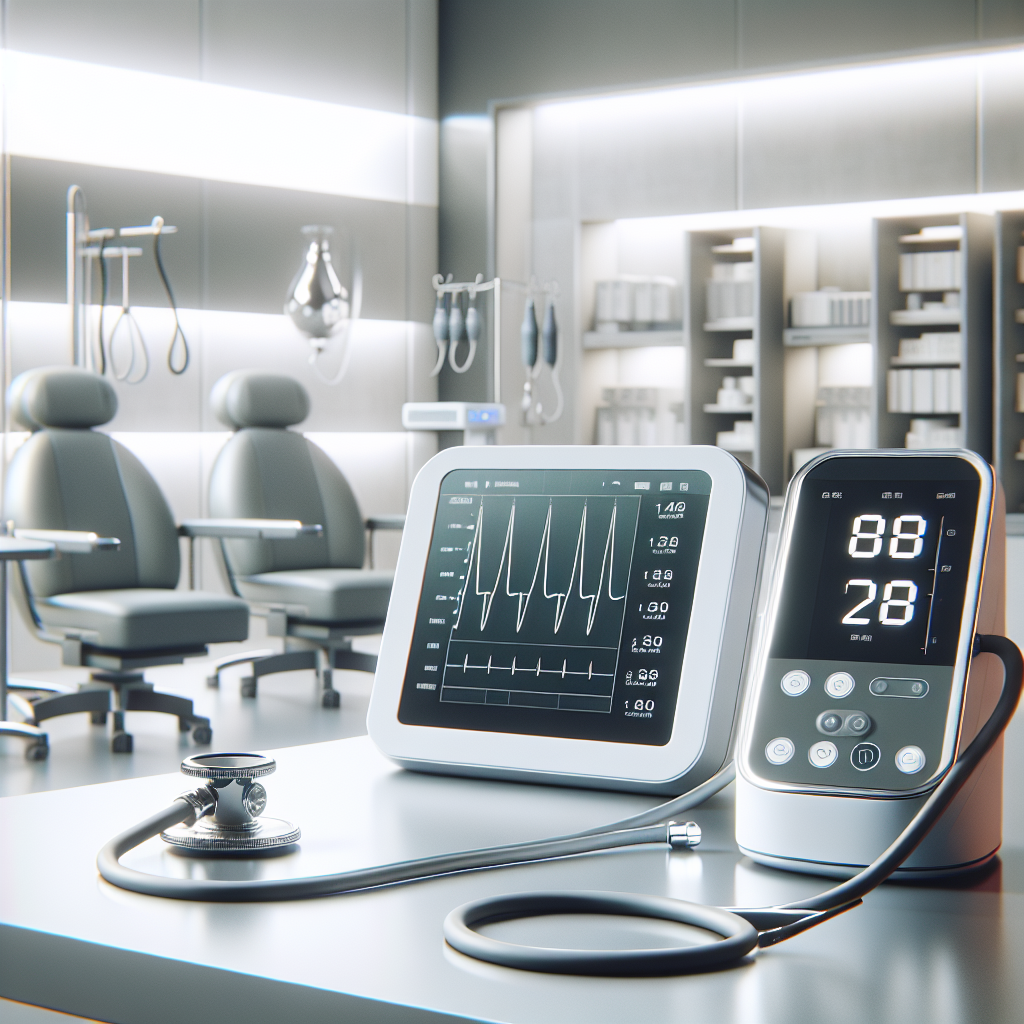

Blood pressure monitoring is a critical aspect of managing cardiovascular health, particularly with rising awareness around hypertension and its associated risks. The technology behind blood pressure monitors has evolved significantly, offering enhanced accuracy and user-friendly features suited for both personal and clinical use. Understanding the nuances between accuracy, cost, and usability helps consumers make informed decisions that align with their health requirements and budgets. This article delves into the top blood pressure monitors available in 2026, analyzing their precision, ease of operation, and cost-effectiveness while providing strategic insights into selecting the right device tailored to individual health needs. Whether you are a healthcare professional or a patient managing blood pressure at home, this comprehensive comparison aims to empower better choices that promote long-term health benefits.
2026 has witnessed notable improvements in sensor technology, utilizing optical sensors and AI algorithms to reduce reading errors caused by motion or improper cuff placement. These innovations enhance the reliability of measurements, crucial for early diagnosis and treatment effectiveness.
Modern monitors often feature Bluetooth and Wi-Fi connectivity, syncing with apps to track historical data, send alerts, and share results with healthcare providers. This digital integration creates a comprehensive monitoring ecosystem improving patient engagement and care coordination.
Selecting a monitor that balances precision with user-friendliness requires an informed approach. The Best Blood Pressure Monitors 2026: Top Accurate & User-Friendly Picks offers an insightful breakdown of devices rated highest for consistent readings and intuitive interfaces. Wrist monitors, while portable, generally lack the reliability of traditional upper-arm cuffs, though recent models have narrowed the gap.
Upper-arm monitors remain the gold standard for accuracy. Their cuff placement over the brachial artery allows more reliable pressure readings. Wrist monitors do benefit portability and can be useful for quick spot checks but are more sensitive to positioning errors.
Devices with large, backlit screens, simple button layouts, and voice-guided instructions contribute to better user experience, especially for elderly users or those with visual impairments. Additional features such as irregular heartbeat detection add diagnostic value.
Price points for blood pressure monitors vary widely. While high-end models with advanced features may carry a premium, they offer greater durability and data integration, often leading to better health outcomes and potential cost savings in medical care. Entry-level options cater to budget-conscious users but may lack precision or connectivity features.
Comparing options in the Top Blood Pressure Monitors 2026: Accuracy & Cost Guide can provide insights into balancing initial investment with long-term usage benefits. Consider warranties, calibration requirements, and customer support when assessing value.
Health conditions such as arrhythmia, pregnancy-related hypertension, or chronic cardiovascular diseases demand specialized monitoring features. Consulting with healthcare providers and reviewing the How to Choose the Right Blood Pressure Monitor guide can ensure the selected device supports specific medical needs and monitoring routines effectively.
Individuals requiring daily monitoring may prioritize battery life, memory capacity, and ease of operation, whereas occasional users might focus on affordability and straightforward functionality.
For travelers or those with limited space, compact wrist monitors present convenient options without compromising essential accuracy when used properly.
Choosing an accurate and cost-effective blood pressure monitor in 2026 involves weighing technological advancements, usability features, and personal health considerations. The integration of smart technology has transformed these devices into vital tools for proactive health management. Investing in a high-quality monitor aligned with individual needs not only supports better clinical outcomes but also enhances patient empowerment. Utilizing trusted resources and comparison guides ensures informed decisions leading to sustained cardiovascular health.
Upper-arm cuff blood pressure monitors are the most accurate for home use due to proper cuff placement over the brachial artery, minimizing errors commonly associated with wrist monitors.
It is recommended to check calibration every one to two years or according to the manufacturer’s instruction to ensure consistent accuracy over time.
Many modern digital blood pressure monitors include irregular heartbeat detection, alerting users to potential arrhythmias for early medical consultation.
While not mandatory, connectivity enhances tracking and sharing capabilities, which can improve long-term health management and communication with healthcare professionals.
Wrist monitors can be reliable if used correctly; however, elderly users should ensure proper positioning and consider devices with clear instructions or voice guidance to maximize accuracy.


Leave a comment