No products in the cart.
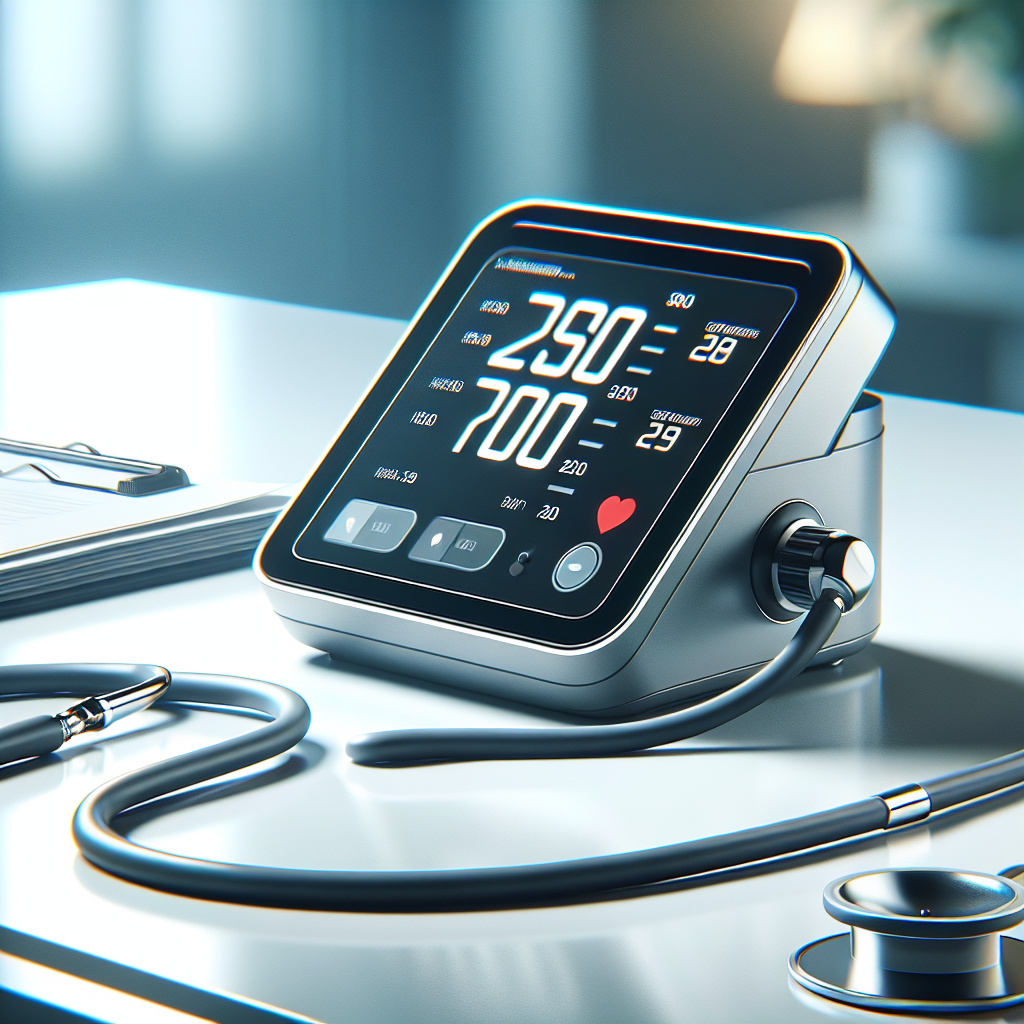

Accurate blood pressure monitoring is an essential aspect of managing cardiovascular health. In 2026, blood pressure monitors have evolved significantly, combining technological innovation with user-friendly designs and affordable pricing. For consumers seeking the best options, understanding the latest advancements and how to evaluate devices based on accuracy, features, and cost is critical.
This article explores the top blood pressure monitors in 2026, highlighting accuracy benchmarks and affordability. We’ll guide you through assessing your personal health requirements to select the right monitor and offer tips on how to maintain these devices for reliable performance. Incorporating quality devices leads to better health monitoring, a theme emphasized in why quality medical supplies matter in healthcare.
Modern monitors employ advanced oscillometric sensors combined with AI-driven algorithms to improve the detection of systolic and diastolic pressures. These enhancements reduce measurement variability, offering clinical-grade accuracy traditionally available only in healthcare settings.
Touchscreen interfaces, Bluetooth connectivity, and smartphone app integration have become standard. These features enable easy data tracking, sharing results with healthcare providers, and reminders for regular measurements, facilitating proactive health management.
Not all monitors require a high price tag to deliver reliable readings. Entry-level devices priced under $50 offer essential functions, while mid-range models ($50-$120) include wireless syncing and larger memory storage. Premium models may exceed $150 but provide multi-user capabilities and irregular heartbeat detection.
Several devices have been rated highly for balancing accuracy, usability, and price. Consumers should consider brands validated by clinical trials and those recognized in industry reviews. Refer to our detailed resource on how to choose the right blood pressure monitor to navigate these options effectively.
Factors such as age, blood pressure variability, and comorbidities influence monitor choice. For example, individuals with arrhythmias may benefit from devices offering irregular heartbeat detection, while others might prioritize cuff size comfort.
Choosing monitors compatible with telehealth platforms enhances remote monitoring efficacy. This is particularly relevant for chronic disease management, aligning with the growing emphasis on the importance of medical diagnostic tools in everyday healthcare.
Maintaining your monitor involves routine cleaning of cuffs and device surfaces, storing the device in a dry, cool place, and recalibrating as recommended by manufacturers. Avoiding battery corrosion and replacing batteries promptly minimizes device errors over time.
Blood pressure monitors in 2026 provide unprecedented accuracy coupled with affordability and convenience. By understanding the latest technology advances, assessing personal health factors, and maintaining devices properly, consumers can ensure reliable blood pressure monitoring. Selecting a high-quality monitor supports effective cardiovascular health management and aligns with overall best practices in medical supply utilization.
Look for devices that have been clinically validated, include features like advanced sensors, and have customizable cuff sizes. User reviews and expert recommendations can also indicate accuracy and reliability.
Upper arm monitors generally provide more reliable readings due to consistent cuff placement over the brachial artery. Wrist monitors offer portability but may be less accurate if not positioned correctly.
Calibration frequency varies by model but generally every one to two years. Some manufacturers provide calibration services, or you may validate readings at your healthcare provider’s office.
While smartphone-connected monitors offer convenience and enhanced tracking, they should complement rather than replace clinical assessments. Always consult healthcare professionals for diagnosis and treatment decisions.
Store the monitor properly, clean cuffs regularly, replace batteries as needed, and avoid exposure to extreme temperatures or moisture to ensure long-term device reliability.


Leave a comment