No products in the cart.
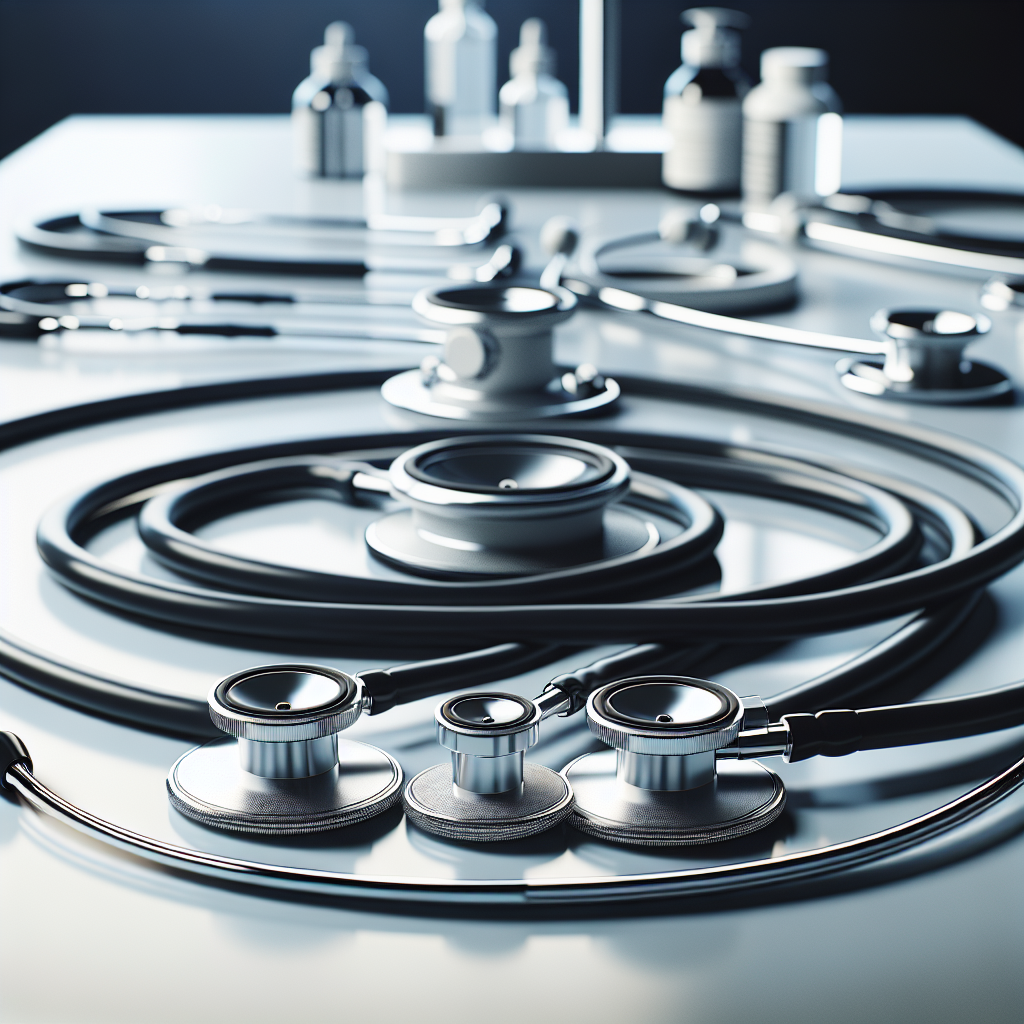

The stethoscope remains an essential diagnostic tool in medicine, pivotal for accurate auscultation and patient assessments. With advancements in technology and design, modern stethoscopes now offer improved acoustic performance combined with superior comfort. This evolution not only aids medical professionals in achieving more precise diagnoses but also enhances patient experience during physical examinations. Understanding the differences across top stethoscope models — including acoustic capabilities, ergonomic features, and material durability — is crucial for healthcare providers aiming to maximize their diagnostic reliability.
This article offers an in-depth comparison of leading stethoscope models, underscoring recent innovations and design considerations. We will explore how material advancements impact longevity, examine the ergonomic principles that minimize user fatigue, and analyze features that contribute to patient comfort. Additionally, we’ll provide insights on choosing the right model tailored to specific medical fields, empowering professionals to make informed purchasing decisions.
Cutting-edge models boast refined diaphragm materials and chestpiece engineering that amplify sound clarity and frequency range. This technological evolution improves the detection of subtle heart murmurs, lung sounds, and vascular anomalies, supporting more accurate clinical evaluations.
Modern stethoscopes focus on minimizing physical strain. Features like angled binaurals, soft-seal ear tips, and flexible yet durable tubing contribute to extended comfort during lengthy clinical sessions, reducing ear fatigue and enhancing the listening experience.
The choice of materials such as stainless steel for chestpieces and medical-grade PVC for tubing significantly influence durability and acoustic fidelity. Stainless steel ensures excellent sound transmission and resistance to corrosion. High-quality tubing materials prevent cracking, stiffening, and loss of sound insulation over time.
Soft, hypoallergenic ear tips and lightweight components reduce discomfort during examinations. Additionally, chestpieces with smooth finishes and rounded edges prevent irritation and improve contact sensitivity, fostering a more positive patient interaction.
Cardiologists benefit from stethoscopes with superior acoustic sensitivity and multi-frequency diaphragms that allow precise identification of intricate cardiac sounds. Robust build quality is also preferred for frequent use.
Models featuring smaller chestpieces and tunable diaphragms accommodate pediatric patients comfortably while offering versatility for general examinations in primary care settings.
Specialties such as pulmonology or veterinary medicine may require specialized stethoscopes optimized for respiratory sounds or animal auscultation respectively, emphasizing the importance of targeting equipment to clinical needs.
Selecting a stethoscope extends beyond technical features. Considering factors such as weight, ease of cleaning, and repairability ensures sustained performance in busy healthcare environments. For further insights on related medical devices and their evaluation criteria, professionals can consult comprehensive resources like our Top Stethoscopes 2026: Features, Usability & Cost Comparison and Best Stethoscopes 2026: Acoustic Performance & Design.
Choosing the right stethoscope model requires an informed balance of acoustic precision, ergonomic comfort, material quality, and specialty-specific features. Modern advancements have transformed traditional stethoscopes into sophisticated tools that enhance diagnostic accuracy while supporting clinician and patient comfort. Healthcare professionals should prioritize models that integrate these elements, ensuring durable, high-performing instruments tailored to their clinical environments and specialties. Investing time in comparing top models and understanding their unique benefits empowers practitioners to elevate the quality of care delivered.
Material quality, particularly in chestpieces and tubing, affects sound transmission and durability. Stainless steel chestpieces provide clearer acoustics, while high-grade tubing preserves sound insulation and flexibility over time.
Comfort-enhancing features include adjustable angled binaurals, soft-seal ear tips that reduce ear fatigue, and lightweight construction that minimizes neck strain for extended wear.
Yes, pediatric stethoscopes have smaller chestpieces and specialized diaphragms to accommodate children, ensuring better fit, comfort, and sound sensitivity for younger patients.
Digital stethoscopes provide sound amplification and noise reduction that may improve diagnostic accuracy in noisy environments. They also often offer recording features for further analysis.
In-depth comparisons can be explored in articles such as our Top Stethoscopes 2026: Performance & Value Compared, which assess various brands and features to guide purchasing decisions.


Leave a comment